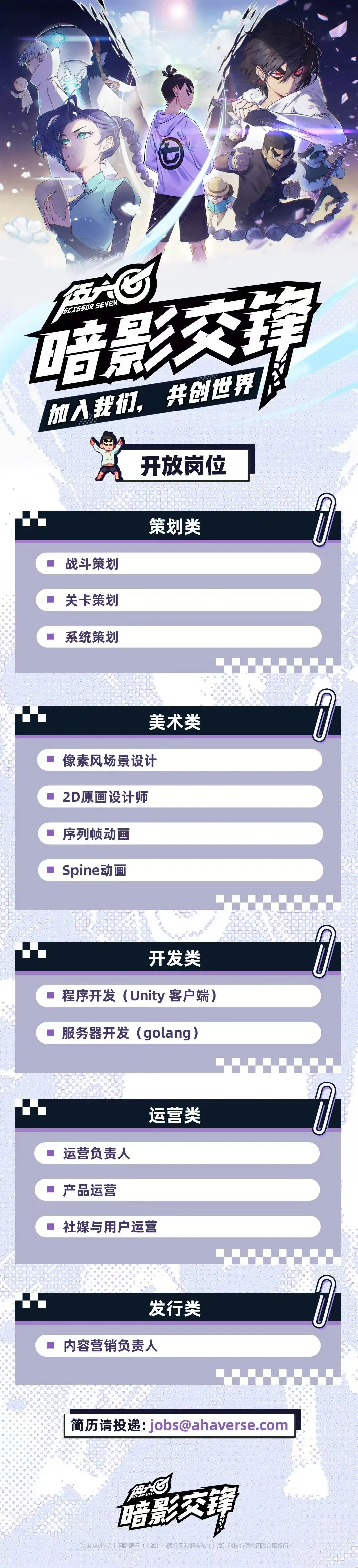
Scissor Seven: Shadow Clash Reaches Millions of Pre-Registrations
This piece by leading games/animation outlet GameGrape (游戏葡萄) profiled AHAVERSE’s first self‑developed game, Scissor Seven: Shadow Clash, emphasizing its milestone momentum: 1 million pre‑registrations on TapTap within 3 days, surpassing 2 million over time.
Editor’s note: The full article below was originally published by GameGrape (游戏葡萄 - Original article). AHAVERSE provides this faithful English translation for readers and media partners.
Turning Down a 50-Million-Yuan Licensing Fee, This Dark Horse’s New Title Broke 1 Million Pre-Registrations on a Single Platform in Three Days
It’s not a crossover, but the breathing and extension of the Scissor Seven IP.
As an outstanding work among Chinese animations, Scissor Seven has, since its launch across platforms, reached over 14 million followers on Bilibili alone, with total plays exceeding 20 billion across the internet—undoubtedly a super‑popular work.
Among many high‑popularity Chinese animations, Scissor Seven is also almost the only one that had never been adapted into a game.
Last year, the game adaptation of the Scissor Seven IP, Scissor Seven: Shadow Clash (《伍六七:暗影交锋》), was officially revealed.
At that time, when the game opened pre‑registration on TapTap, it achieved 1 million pre‑registrations in just three days—reflecting fans’ intense enthusiasm and anticipation.
Now, the number of pre‑registrations for the game on TapTap has naturally grown to over 2 million.

As the IP company known to everyone because of Scissor Seven, AHAVERSE is trying, through games, to let the world of the animation “live” in players’ hands.
Expectation also brings questions: Can an animation studio really make a good game? Not long ago, AHAVERSE founder Aiken Zou gave an interview.
Zou believes that moving from animation to games is not a “crossover,” but a natural extension of the IP’s vitality.
For the overall construction of the Scissor Seven IP system, games are both important and necessary. That is why AHAVERSE rejected licensing fees exceeding 50 million yuan and chose to self‑develop the game—Scissor Seven: Shadow Clash.
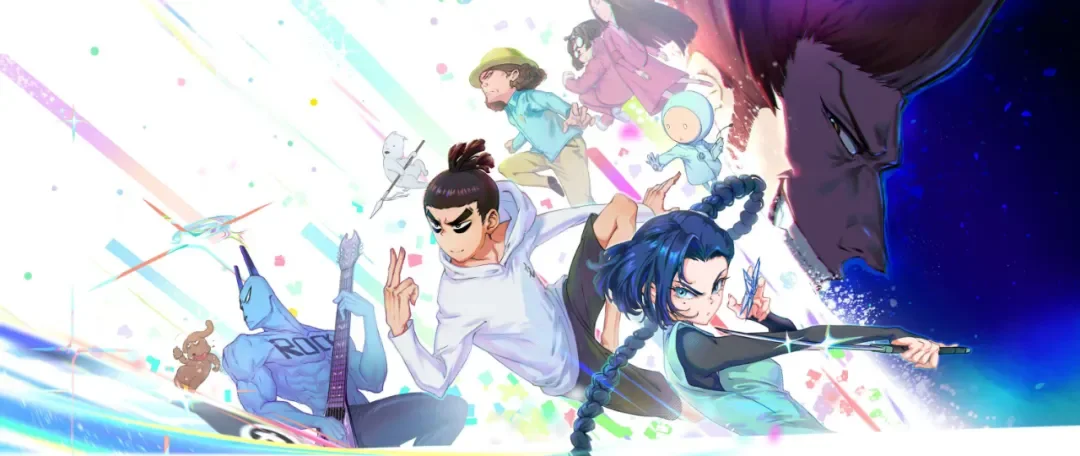
The following is an edited version of the conversation:
Q: As an animation studio, why did you consider making a game?
Aiken Zou: From the very beginning, AHAVERSE positioned itself as an original IP company for global fans, and we chose to start from original animation. As AHAVERSE's first original animated work, Scissor Seven carries the creator’s natural authorial imprint—its distinctive Lingnan‑style Chinese art, seemingly casual dialect dubbing, and plots that, while quirky and comedic, still move people and inspire reflection.
As we launched Season 1 on Netflix in January 2020, and updated to Season 5 in November 2025, Scissor Seven has built a huge fan base in 190 countries and regions worldwide.
Whether it’s the fans or our own team, everyone hopes there can be a “playable Scissor Seven.” To bring this idea to life, we have been quietly accumulating for a long time.
From animation to games is not a “crossover,” but the natural extension of the IP’s life.
Q: Why not consider licensing or co‑developing the game?
Aiken Zou: In fact, as early as after Season 2 aired, we received licensing offers exceeding 50 million yuan, but we still chose to self‑develop.
On the one hand, in a fast‑paced era, for the very first game, we didn’t want to “hire a nanny to raise our own child.” Your own child should still be raised by yourself—only then are you most likely to have enough patience and to devote yourself wholeheartedly, right?
On the other hand, our team truly wishes to create a game that fans find fun together. The game team includes industry practitioners with immense passion for making games, as well as practitioners who are fans of Scissor Seven. This process itself is very meaningful.
Although we will face many difficulties, we also hold a reverence for making a good game and a firm determination to overcome all difficulties.
Q: Going from animation to games, are you worried the team might not be professional enough?
Aiken Zou: Many people have asked this question.
From the very start, we made it clear: professional matters should be handled by professionals. Among the core members of Scissor Seven: Shadow Clash, many come from big companies such as Tencent, NetEase, and Hypergryph, and have participated in many top projects. We hope to combine the “soul of animation” with the “industrial capabilities of games.”
In terms of company business, games are undoubtedly a new business segment.
Games are a high‑threshold industry. How deep a company’s or studio’s accumulation is will, to a great extent, determine whether a project proceeds smoothly.
In the past, due to lack of experience, we spent a long time searching for the correct direction. From product design to characters to gameplay, including the choice of server‑side development language, we stepped on countless pitfalls and paid a lot of tuition to accumulate basic experience.
I myself also leveraged many resources in the game industry, inviting industry professionals to support game development. Some CEOs, producers, and key staff from well‑known studios even stayed on site for months to assist.
All of this was to better build the game business.
I am very grateful to everyone. This process itself is very valuable. To be honest, I am often moved by the strong, broad‑minded seniors in the industry, and I really like the feeling of being connected to everyone because we’re making games.
We give professionals sufficient trust, face problems directly rather than perfunctorily, and this allows us, while solving problems, to gradually build a team that can fight tough battles.
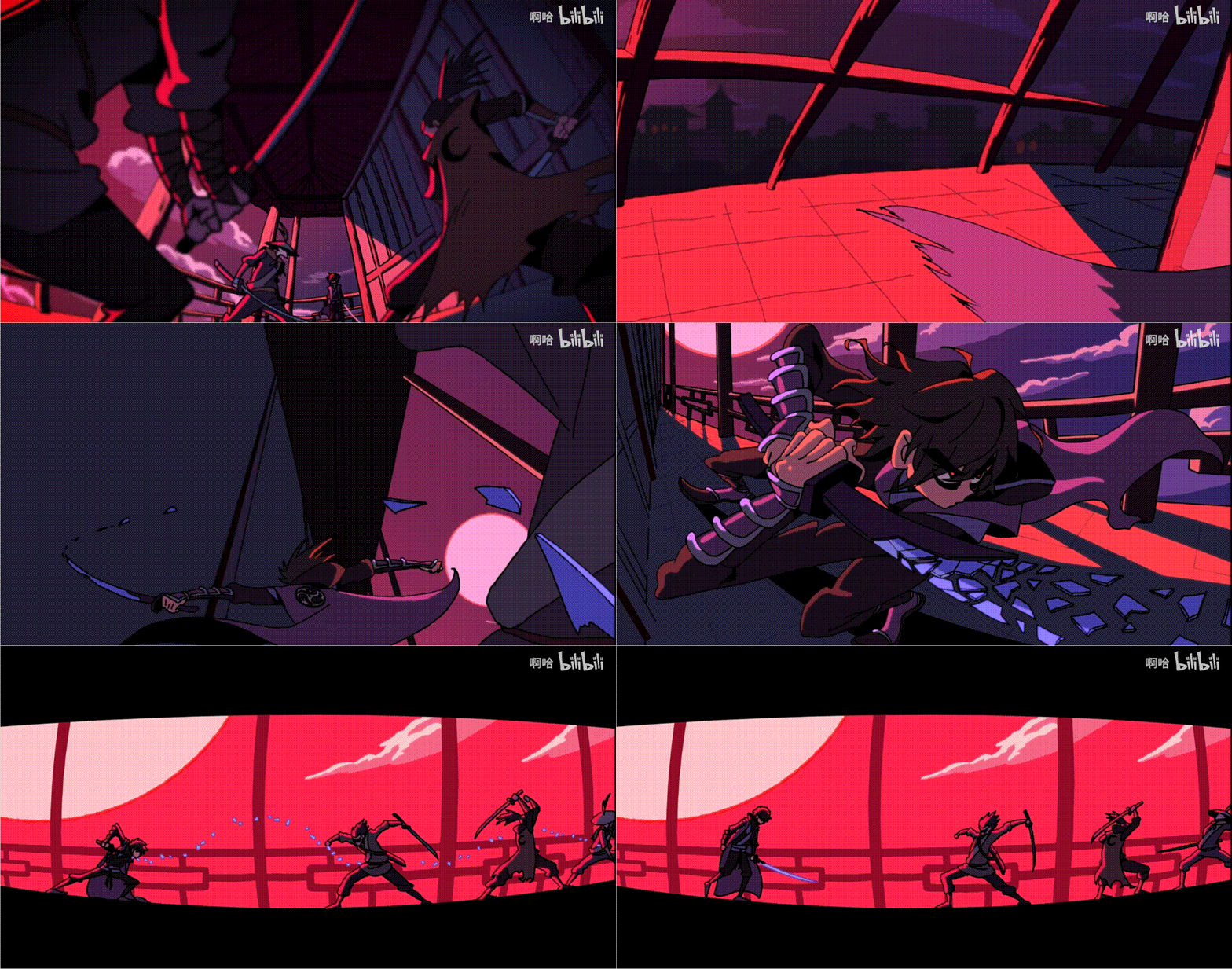
You can see from our previous tests that the game builds have highlights, but also many shortcomings. While gradually improving the team, we are also polishing the product step by step, making further optimizations in combat visual performance and hit feedback, completeness of systems and gameplay, and interactivity, among other aspects.
Honest communication and meeting challenges head‑on—whether making games or developing IP—this is Aha’s attitude toward content creation.
I have emphasized many times internally that the game business is the company’s core business and an important link in IP development.
Our goal is to further consolidate our content production capabilities through game development, laying the R&D foundation for the second game and the Nth game in the future. At the same time, we also look forward to continuously expanding our IP boundaries through the interactive form of games and continuously providing interesting content for fans.
Q: What kind of game is Scissor Seven: Shadow Clash?
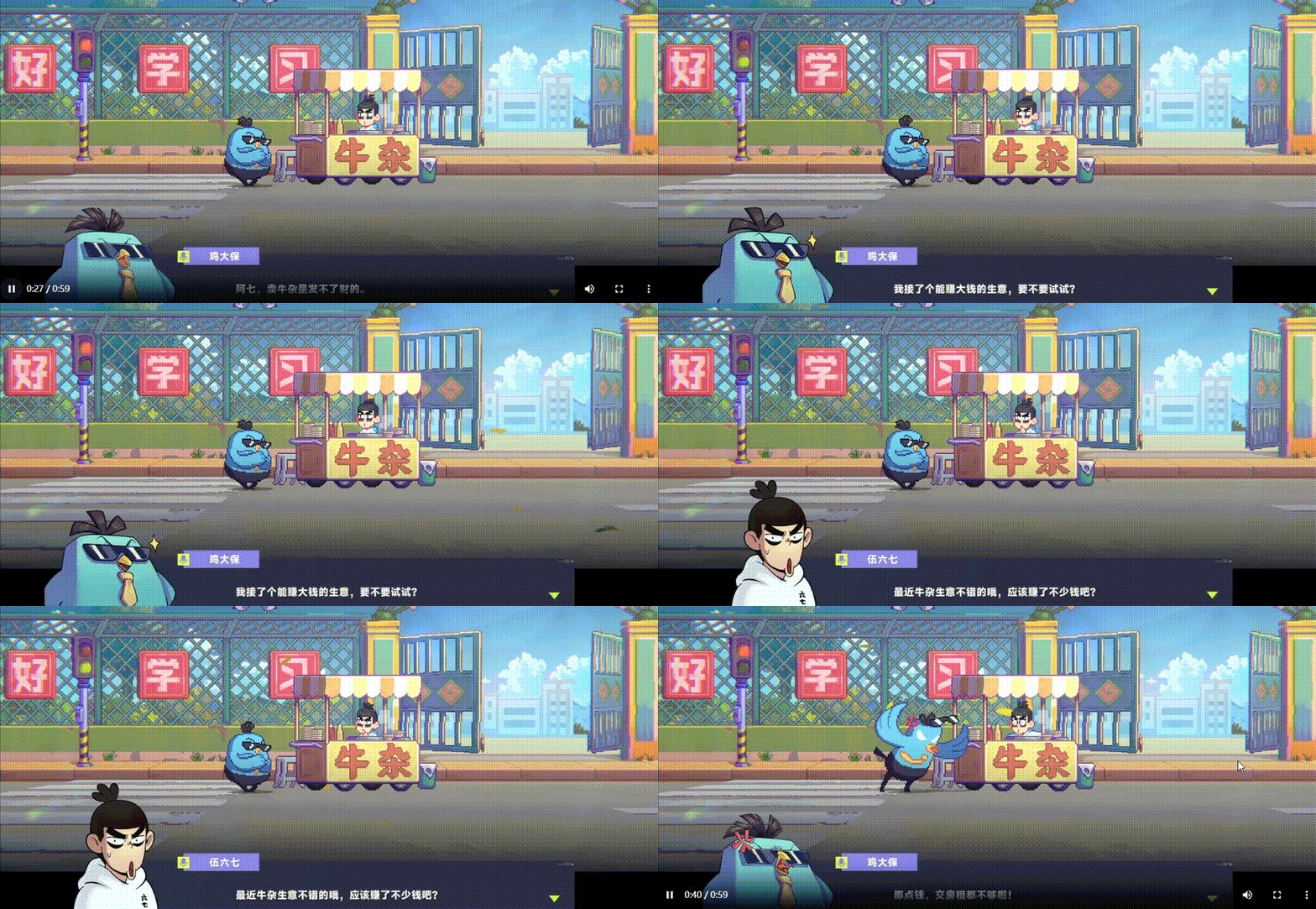
Aiken Zou: It is a simulation + adventure RPG in which you can run a shop and accept commissions on Chicken Island.
You can experience the warm, down‑to‑earth daily life on Chicken Island and chat and interact with the island residents; you can also fight, adventure, and explore, feeling the heroic stories of ordinary people. Here, you can play with friends and enjoy a relaxed, stress‑free, freeform game atmosphere.
In short, our most core goal is to first meet the core demands of fans, and then further seek broader spiritual resonance.
Q: Can you introduce the specific gameplay?
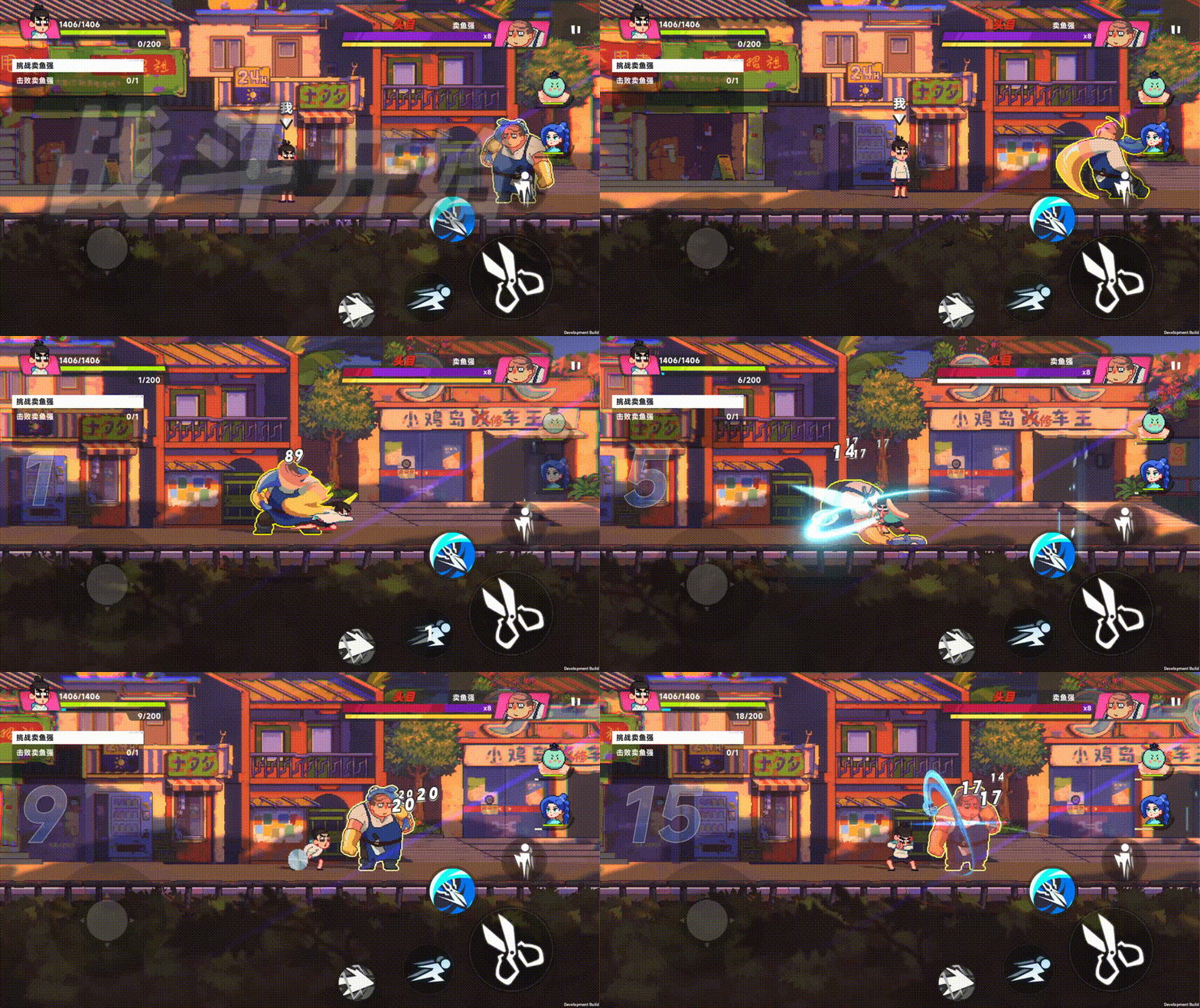
Aiken Zou: We have multiple free gameplay lines.
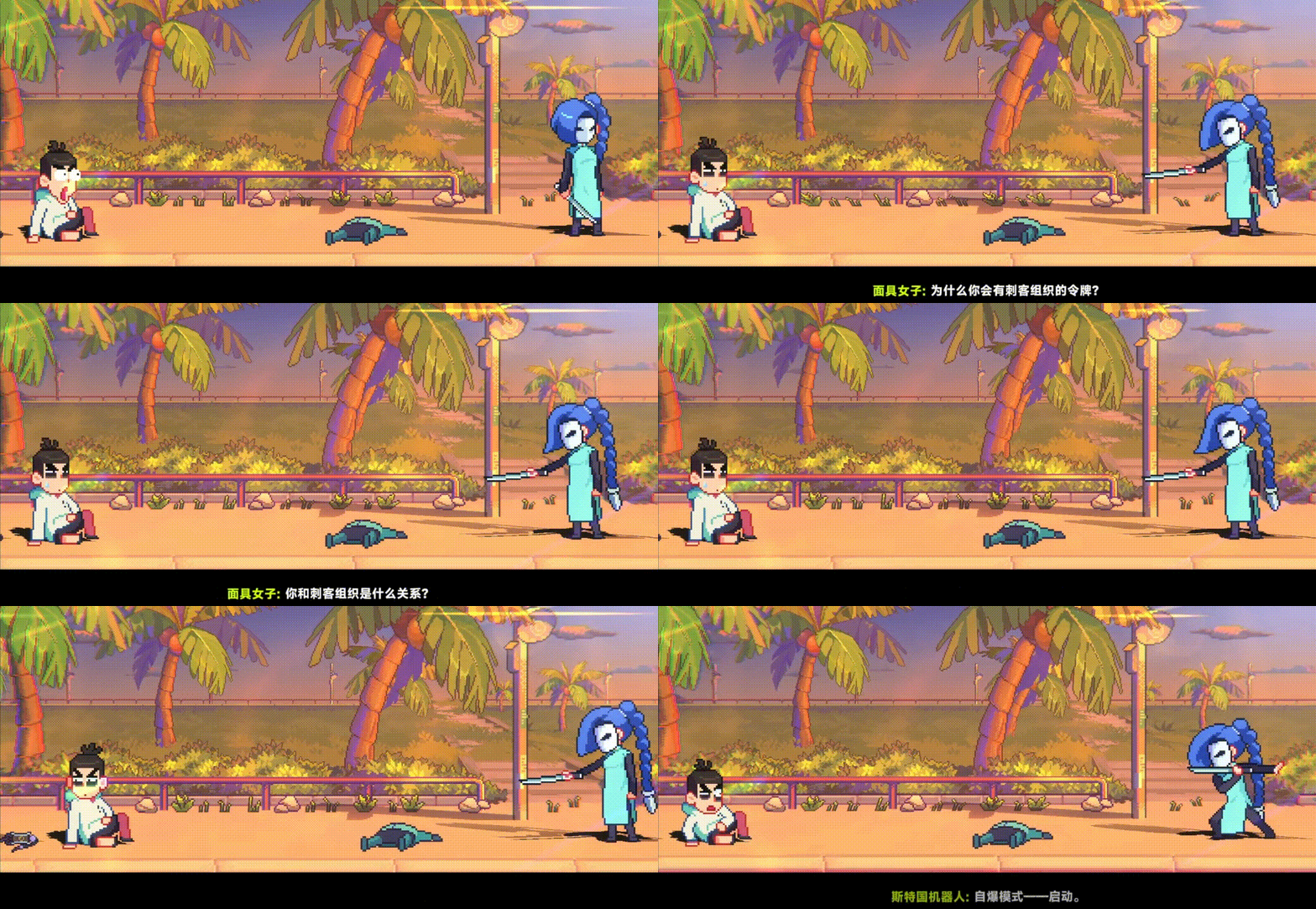
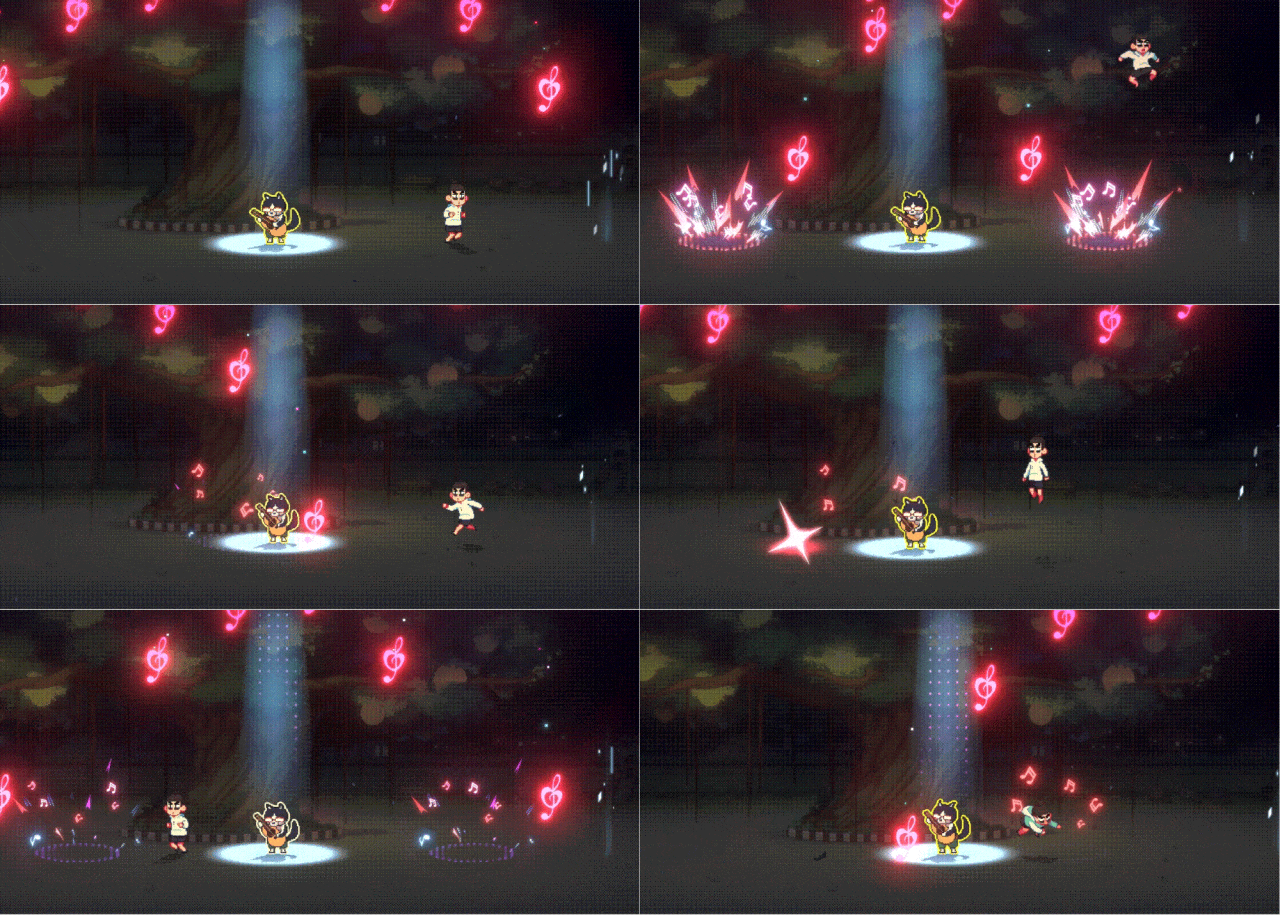
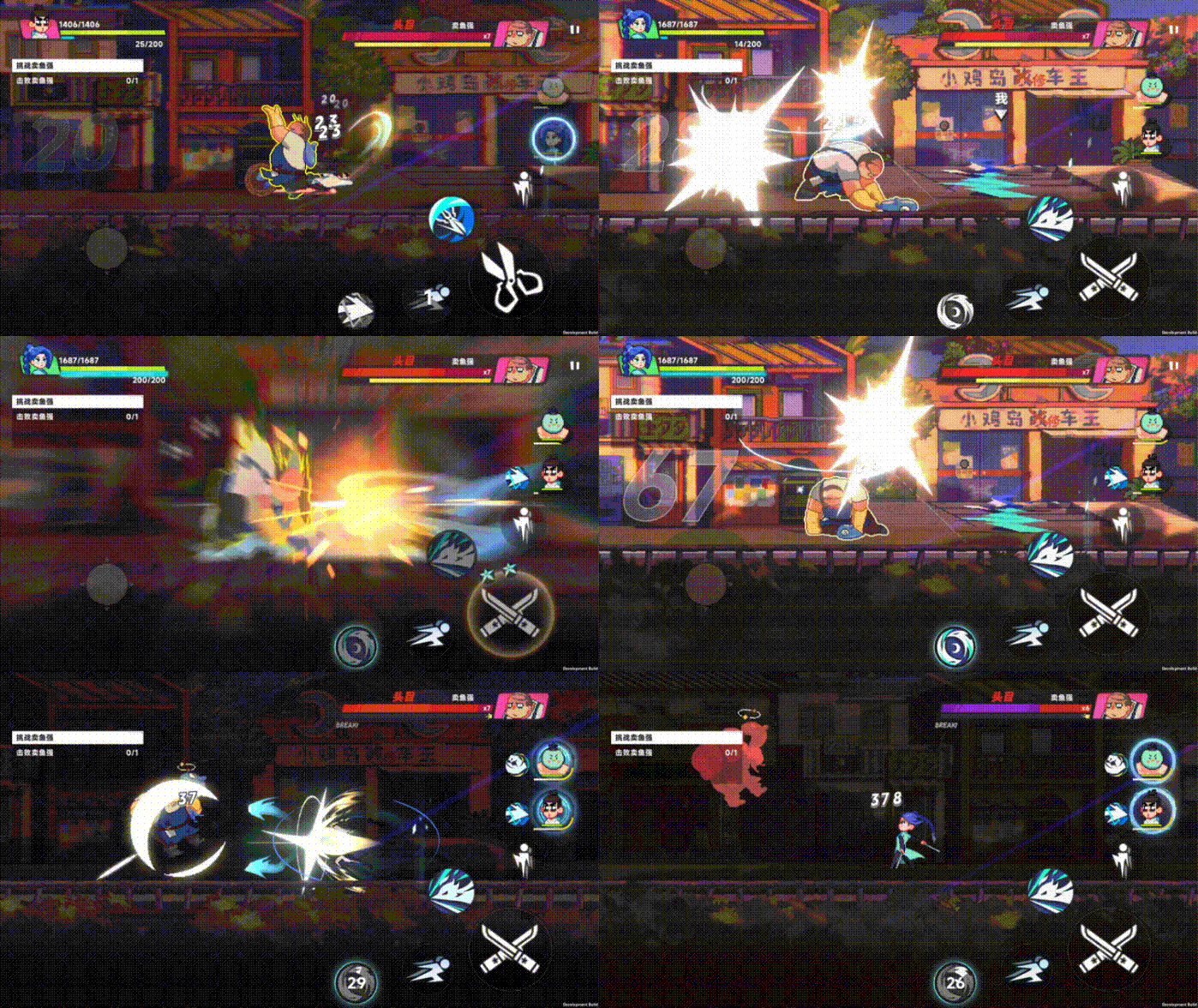
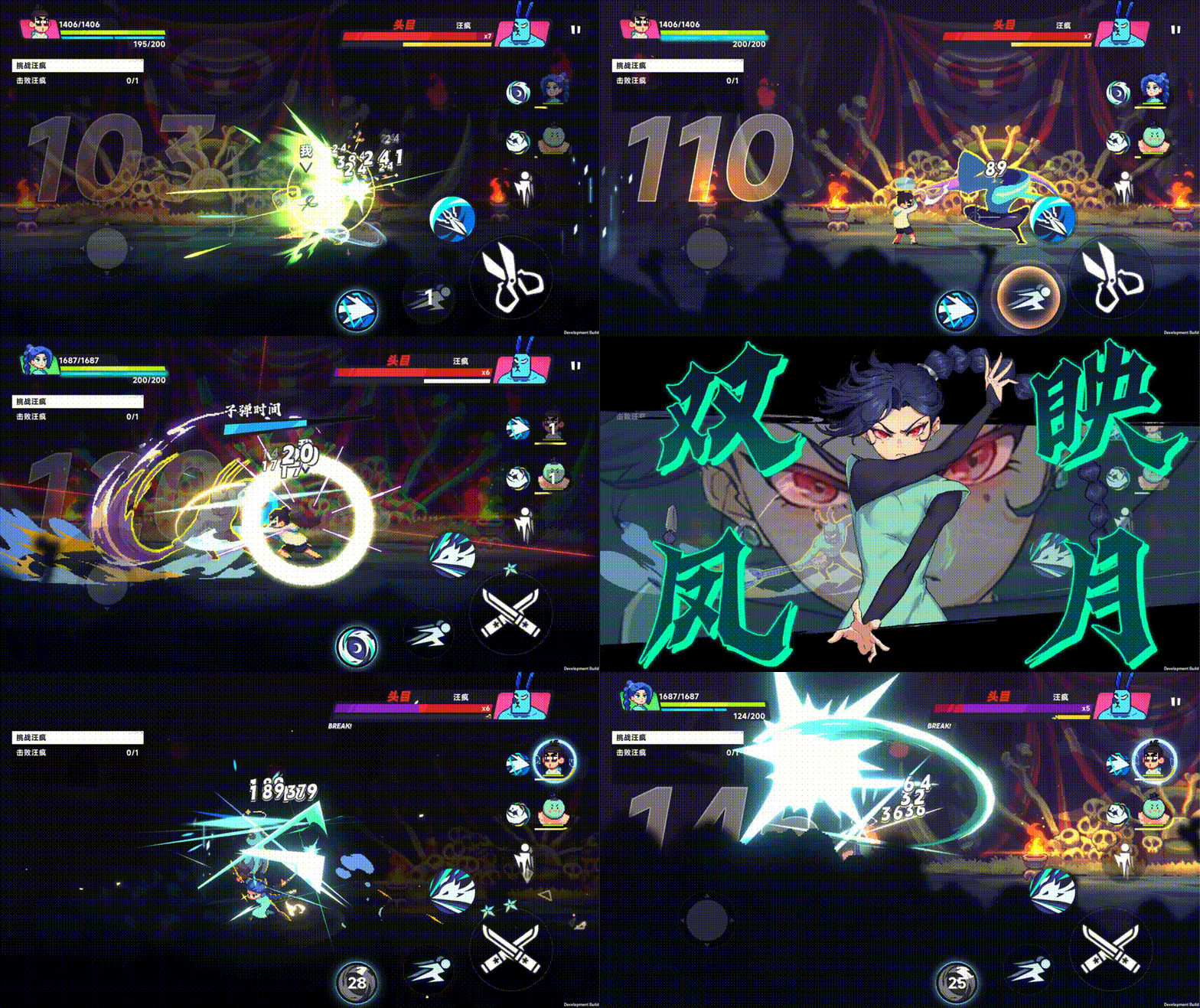
Players who like combat can enjoy the thrill of side‑scrolling battles, and can very easily pull off wonderful maneuvers so that everyone feels strong. At the same time, combat builds (BD) offer rich combinations and deeper gameplay.
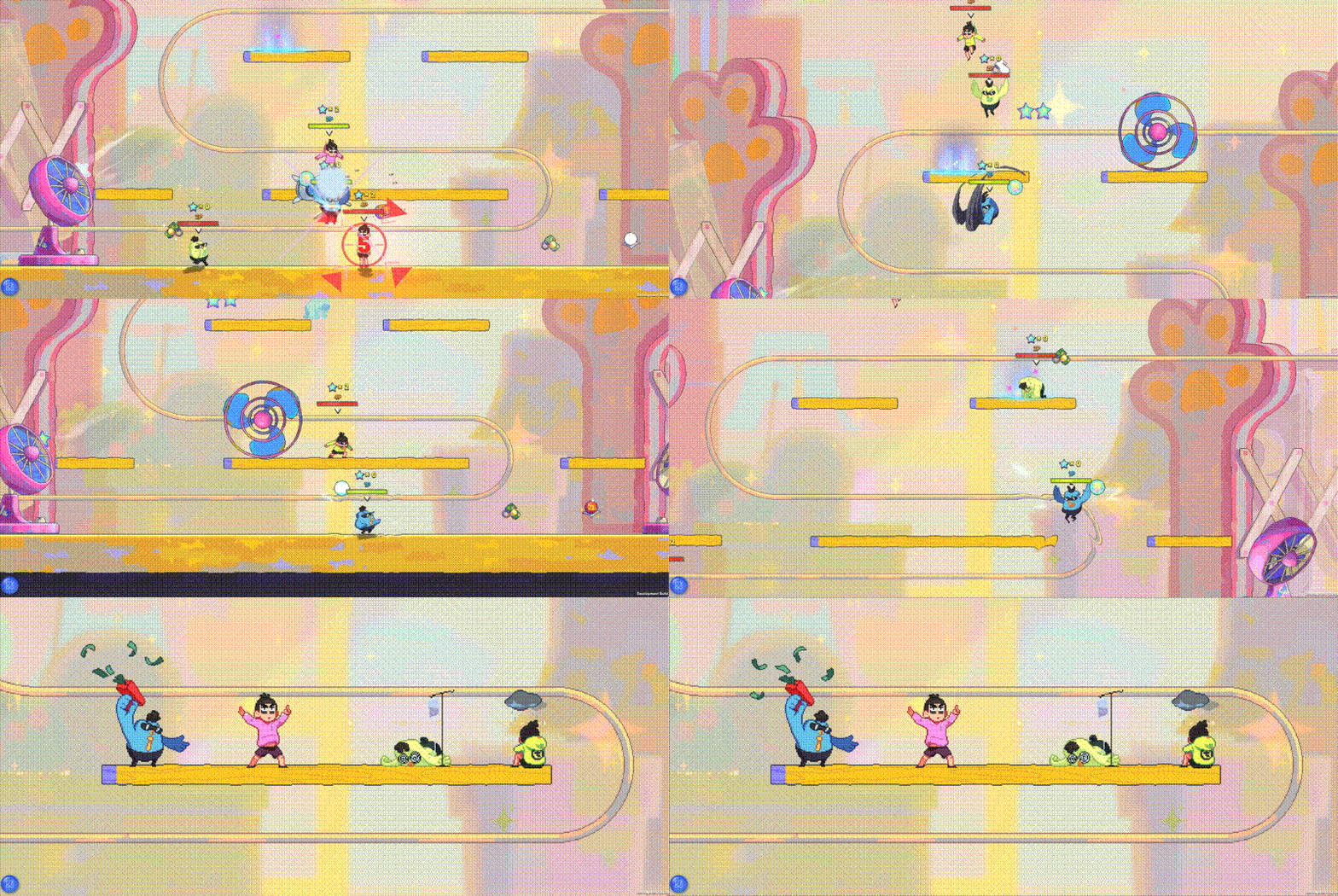
We also provide PVP, but our PVP is not a zero‑sum contest that forces comparisons of operation and stats; in terms of feel, it may be closer to Mario Kart.
I know this sounds a bit strange, but their cores are actually the same. Simply put, through a variety of fun items and stage mechanics, we provide players with a party‑style joyous competitive experience.
Because you don’t know what items others are holding, unexpected and delightful developments often occur, allowing friends of different skill levels to share the pure fun of the game on the same stage.
In previous offline user tests, what made us very happy was seeing everyone go from quietly experiencing the build at first to, once PVP began, laughing, cheering, screaming, and interacting with each other as they played. It was obvious that this mode can stir players’ emotions very well, just like the Scissor Seven IP itself.
Q: That’s relatively fresh for an action game.
Aiken Zou: Yes. We won’t define it simply as an action game. We encourage everyone to add content that fits Scissor Seven’s tone and user needs. The Chicken Island portion was born exactly in this context.
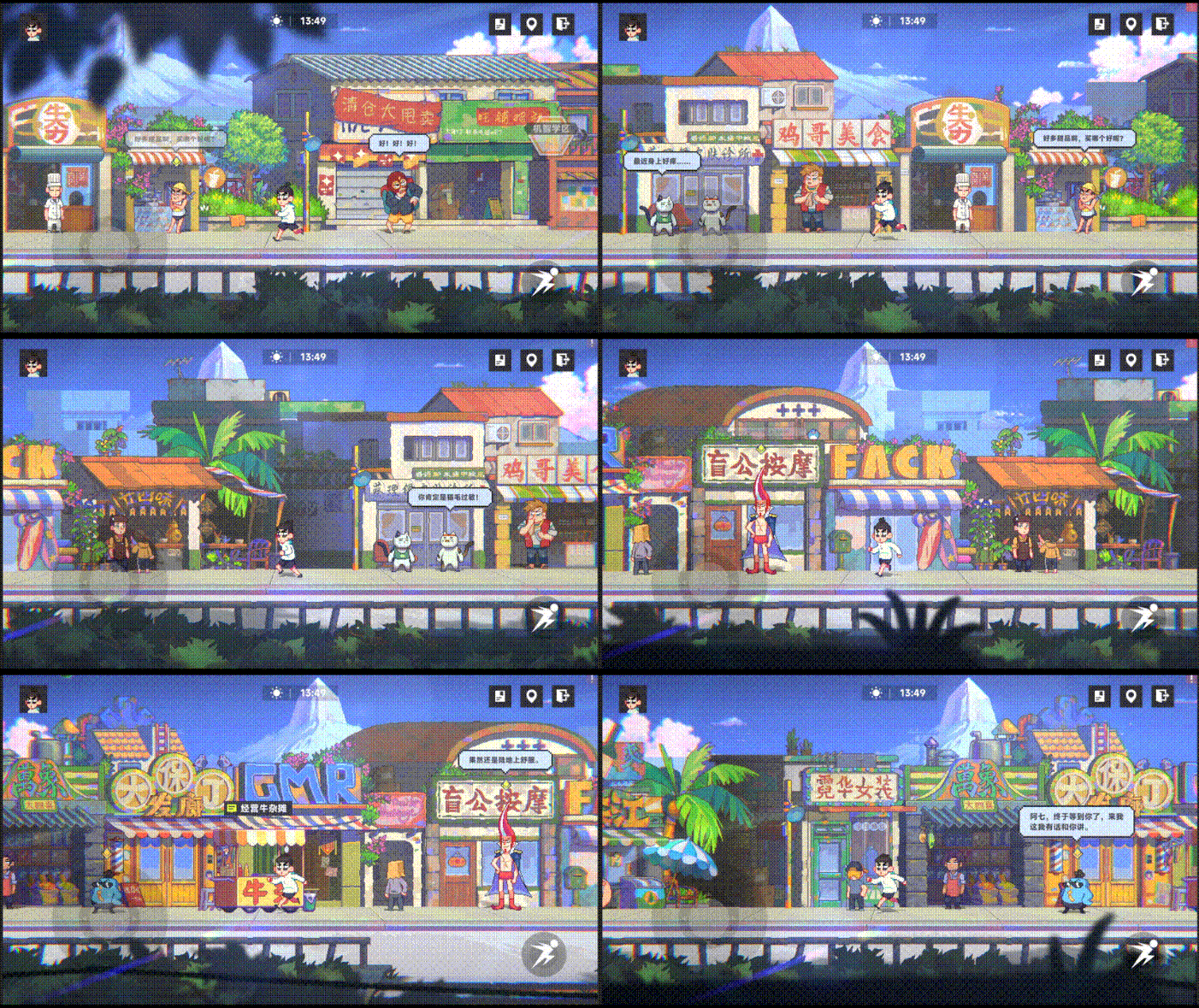
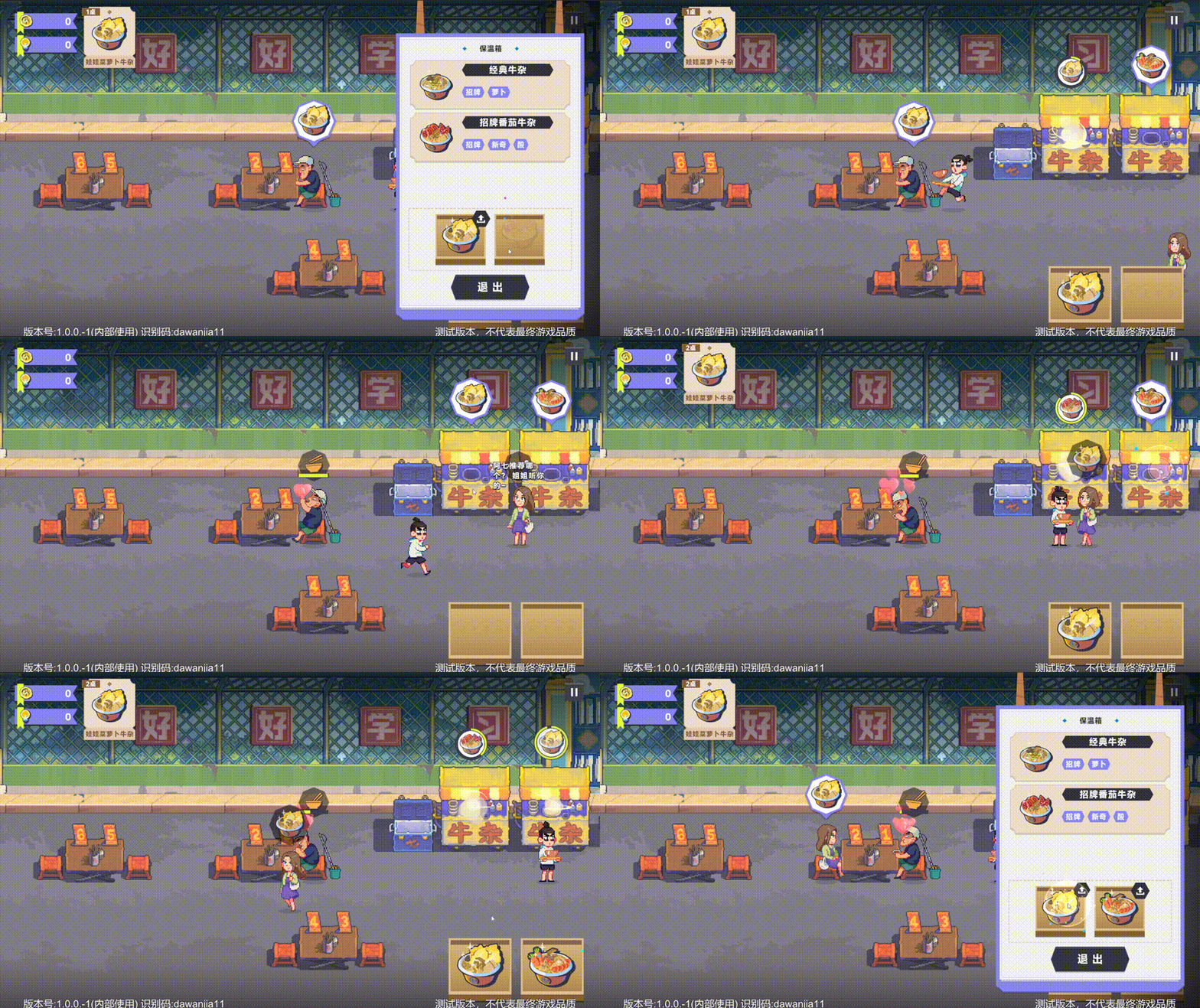
In earlier user tests, one highly requested feature was that everyone very much hoped to live on Chicken Island—go shopping and meet various people. So we really added this idea into the game.
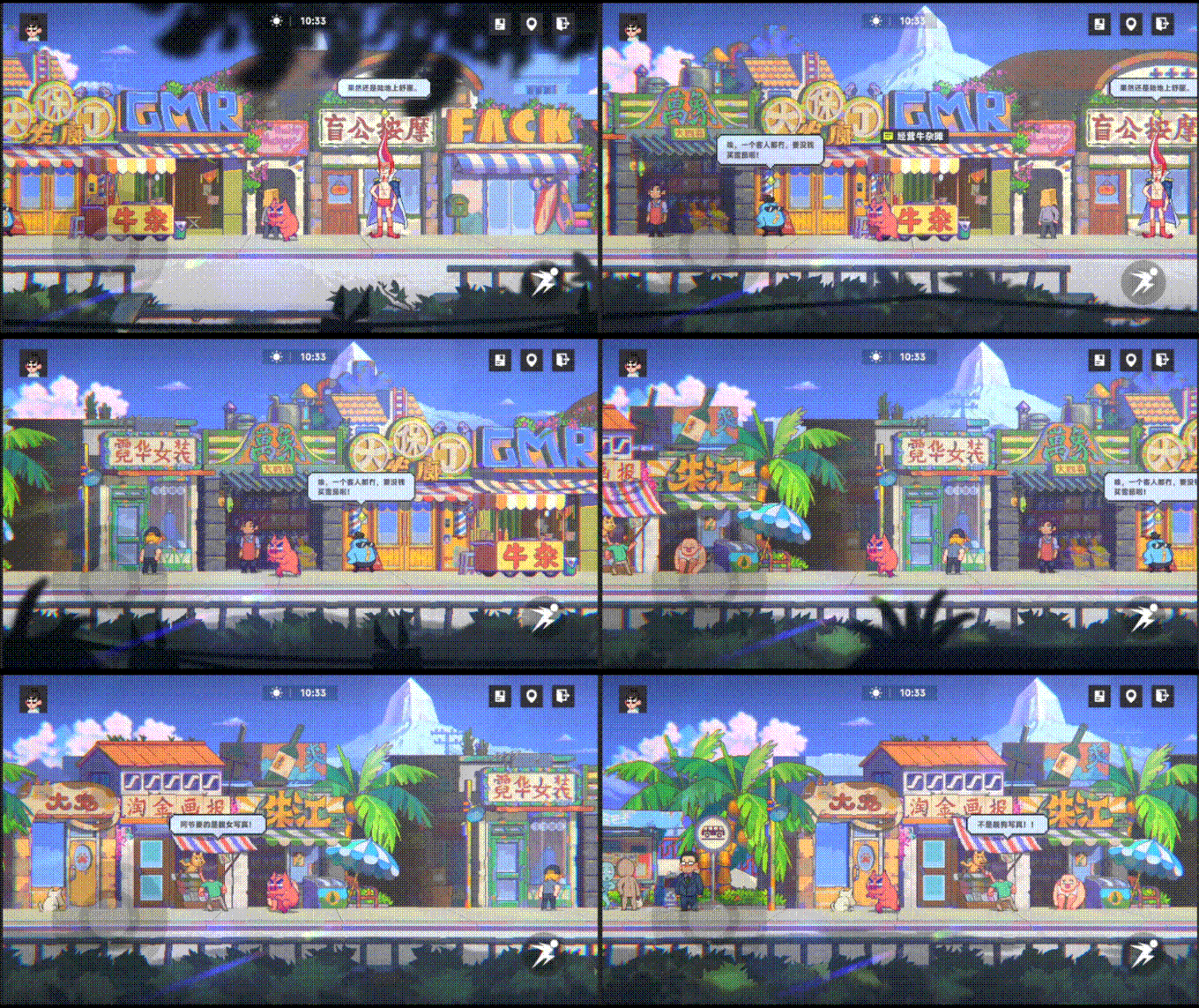
Based on the animation’s settings, we recreated the scenes of Chicken Island in the game—from Seven (A Qi)’s Da Baoding, to the SMT Salon, Brother Ji’s Food, the big banyan tree where Director Jiang and Chiya fought, and so on… we restored them all in the game.
On ordinary days, Chicken Island is full of life. You can play as Seven (A Qi) running a beef offal stall on Chicken Island, encounter various characters and interact with them, and their moods and behaviors are different every day, so there will be surprises every time you log in.
Moreover, on Chicken Island there will be new storylines that did not appear in the animation.
Q: Are these independent, original stories separate from the animation?
Aiken Zou: It would be better to say they are of one continuous lineage.
In the animation, the ordinary yet interesting daily life on Chicken Island has a higher proportion mainly in the first two seasons. Later, as the main storyline advances, the stage gradually shifts to other areas, and many viewers feel regret about that.
Therefore, in the Chicken Island portion, we will continue the style of the first two seasons, bringing everyone this kind of interesting and warm daily storytelling, allowing the game team’s creative abilities to be fully unleashed.
Q: With multiple gameplay modes combined, will there be an issue with user acceptance?
Aiken Zou: We do worry, but we are also very clear that our primary mission is to serve our fans well. Our fans do not have a clear, single preference for game genres. Different users have different likes; to satisfy most people, we must provide choices.
The experience we hope to offer is that no matter which gameplay a player likes, they can choose to play only that one. We do not force heavy grinding or heavy spending, and we truly want players to freely experience the game.
A relaxed, free, and joyful gameplay system is the core experience of our game.
Q: How is your game team currently built?
Aiken Zou: As I mentioned earlier, we spent a lot of time making mistakes and stepping on pitfalls. At present, the team’s producer, lead designer, lead programmer, and other core members all come from top projects in the game industry, and the talent ladder has taken initial shape. The team has also gradually established high professional standards in pipelines such as characters and story.
More importantly, every day our team is growing. Although everyone’s backgrounds are different, our pursuit of content and cherishing of creative space are the same.
Q: What’s different about making games at AHAVERSE?
Aiken Zou: Here, your ideas can truly change the product.
At a big company, you may just be one node in the entire development system, completing vertical tasks and direction switches; at AHAVERSE, you are a creator. A level mechanic, a story segment, a mode of interaction—as long as you can convince everyone, it may become part of the game.
We are looking for people who “want to create something,” not those who “only want to execute tasks.”
Q: How do you view this project’s future expectations?
Aiken Zou: We believe this project will not let the fans down, nor will it let ourselves down.
The Scissor Seven animation has validated the IP’s worldview and character appeal globally. There are tens of millions of fans across the entire internet. We have always been patient and cherished this IP, and have not casually licensed it in the past.
In creating this game, we are full of sincerity, building the product around bringing fun to fans.
To quote our game producer: “We know this is a long march, but we will ultimately win.”
The game’s core gameplay is solid, innovative, and can be operated long‑term—for us, it’s only a matter of time.
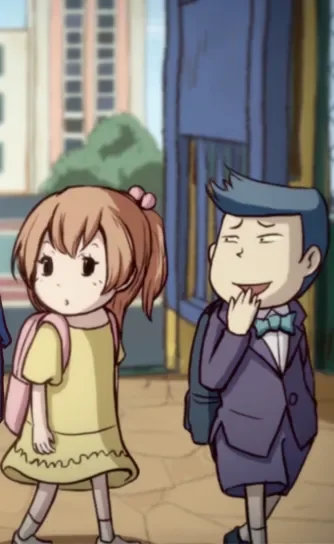

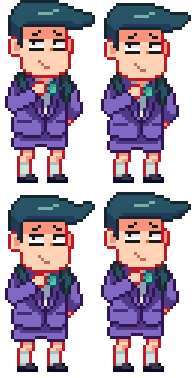
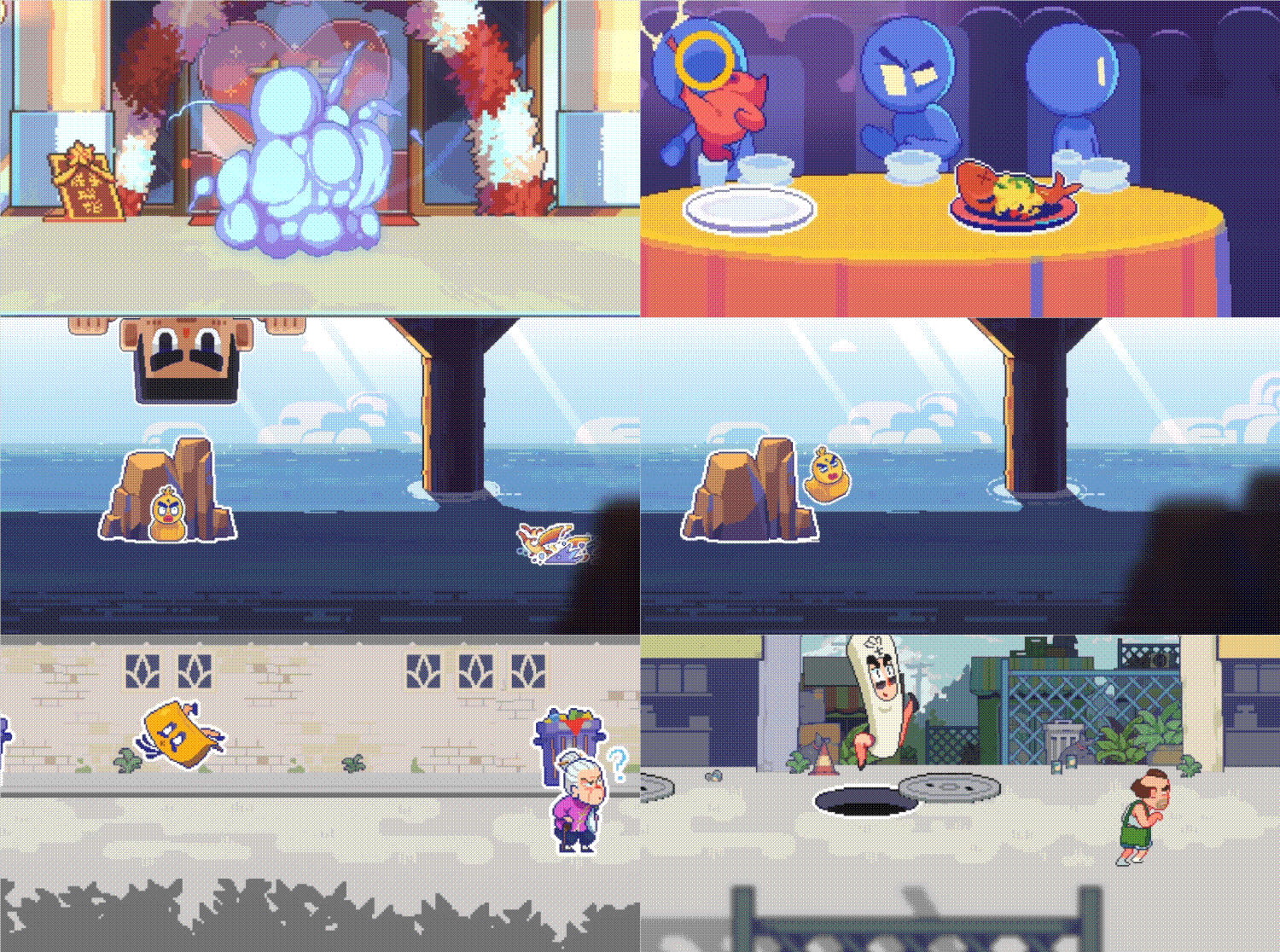
Even passersby who appeared once or twice in the animation have been made into in‑game characters.
Q: But making games is not something that succeeds 100 percent of the time.
Aiken Zou: We haven’t considered what happens if we fail. We are prepared to do this for the long term.
Back in 2017, when we were distributing Season 1 of the Scissor Seven animation, we were considered niche for being neither Japanese‑style nor American‑style, and were not favored. Original animation was seen as a field where it was very difficult to survive. Even then, we never considered giving up.
Today, with so many fans supporting us, and with a professional team that loves the IP and making games, what we have now is already more than before. The next step is to do our utmost, regardless of results or winning or losing, and continue cultivating.
Doing IP is not gambling—only caring about winning or losing and stepping off the field if you lose. Doing IP is nurturing a child: shaping and falling in love with an abstract personality, accompanying them as they learn to walk, and experiencing a rebellious adolescence.
You teach them how to deal with people and help them establish principles. You will be proud of them and anxious for them. In the end, they may not become the “perfect image” you first envisioned, but they will become a vivid ‘living being’ with their own story, capable of forming real emotional connections with people.
Q: Do you think an animation studio making games counts as “crossing into another field”?
Aiken Zou: For us, this is not a crossover, but the breathing and growth of the IP.
Scissor Seven itself is a complete world, and games are the way for this world to be truly “stepped into.” What we want to do is not only let players watch a story, but let them live on Chicken Island, make friends, and fight, and feel the warmth of “animation breathing by your side.”
This breathing and growth are not only in games. Last year we also held an offline music tour. Listening to the music from Scissor Seven with fans offline was truly very cool. We had everyone in the company fly to Shanghai to sing together with fans.
I also experienced the strongest “withdrawal reaction” of my life, because the scene was so immersive that for half a month I couldn’t come out of the intense emotions from the live show.
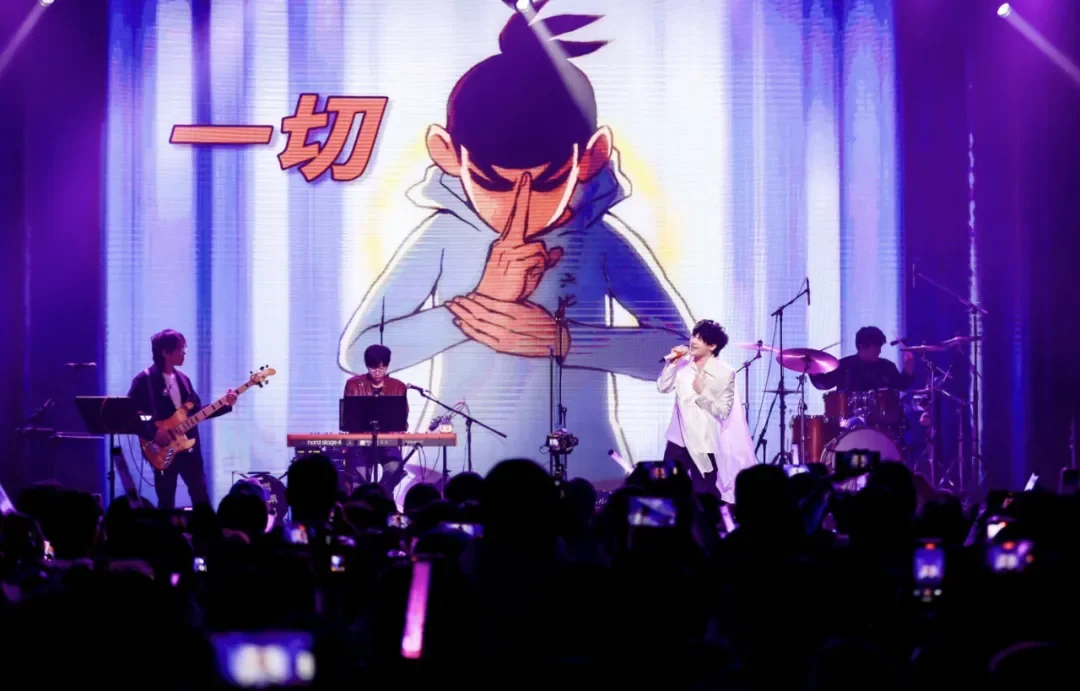

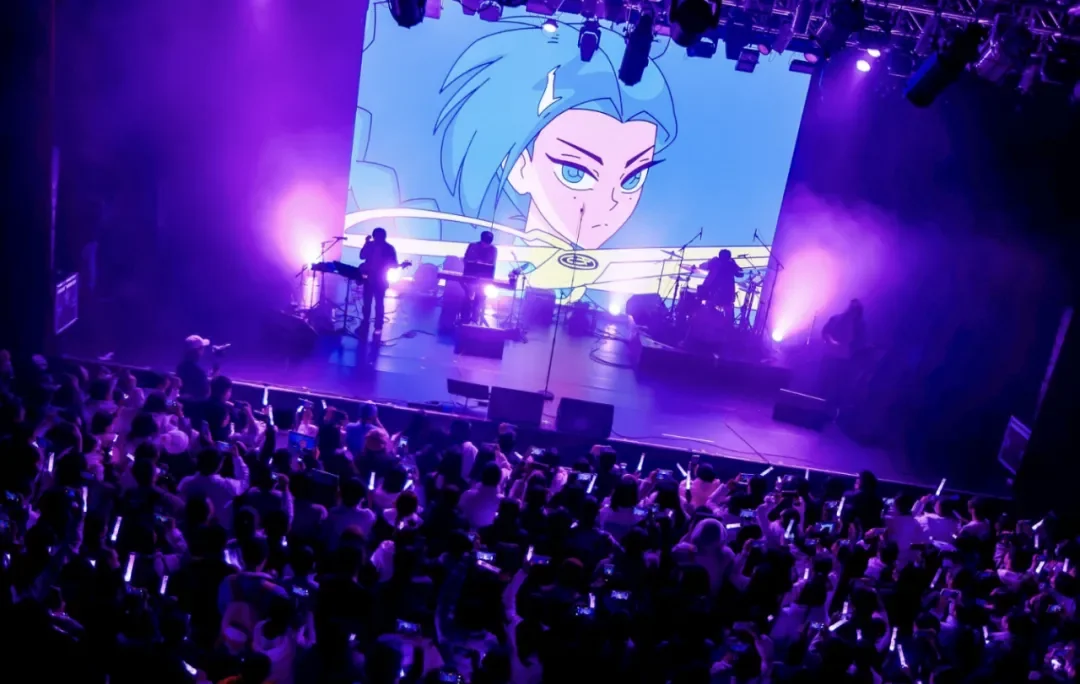
With the launch of Scissor Seven: Shadow Clash, we will also create more offline scenarios to meet fans face‑to‑face.
Q: Breathing and growth—does that mean you have longer‑term plans for this IP?
Zou Shasha: Yes.
Season 1 of Scissor Seven went online across the internet in 2018. In the same year, we began planning the side story Dragonbond Saga (黑白双龙) under the Scissor Seven worldview. The comic went online across the internet in 2019 and is currently updating Season 3. December 2025 marks the sixth anniversary of the work. Next, whether it’s animation or game adaptation, preparations are indeed underway.
Legendary Dragon Brothers and Scissor Seven share the same universe, and together the characters number more than 140. In fact, this year, within the same universe, we also let a popular supporting character become the protagonist to start a new chapter.
We have long had the idea of opening the Scissor Seven universe to more creators. After the attempts and accumulation of the past six years, we expect to officially launch this plan next year.
Scissor Seven: Shadow Clash is our first self‑developed game. In the future, our accumulation in game development will also help more of our animation IPs develop new games.
In fact, the duty of an original IP content company is to continuously create good content for fans—whether animation, comics, games, music, or offline performances. In the past, we have been deeply cultivating this area, upholding our duty and doing it well.
Q: Finally, what would you like to say to partners in the game industry?
Aiken Zou: If you are a craftsperson who believes “fun” is above all, a creator who believes “emotion” is the ultimate level; if you hope to meet like‑minded people who discuss underlying logic and also get fired up over a single story scene; if you long for a place that respects creation and listens to your ideas—we look forward to you joining AHAVERSE!